
Planning to build your dream home? 3D house plans have revolutionized the way homeowners and builders approach residential design. Unlike traditional flat blueprints, 3D house plan design offers a realistic, immersive view of your future home before construction begins.
This comprehensive guide walks you through everything you need to know about 3D home plans, from understanding the basics to working with professionals and estimating costs.
Table of Contents
Understanding 3D House Plans vs. Traditional Blueprints
What Are 3D House Plans? (3D House Plans Complete Design Guide)
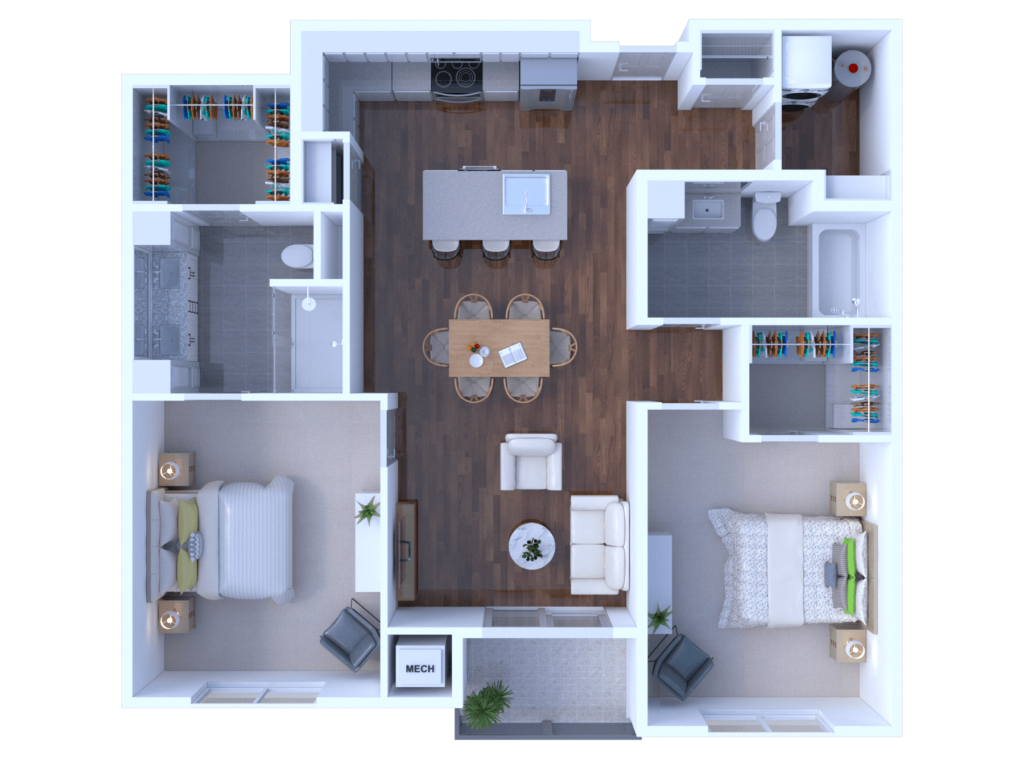
3D house floor plans are digital representations of residential layouts that show depth, height, and spatial relationships. These plans transform flat, two-dimensional drawings into lifelike visualizations that anyone can understand, regardless of their construction knowledge.
Chances are that your home will be the biggest investment you have ever made, so you can’t afford to make a wrong decision when deciding which to buy.
A typical 3D house layout includes:
- Realistic room dimensions with accurate measurements
- Furniture placement and scale references
- Wall textures, flooring materials, and finishes
- Lighting effects and natural light flow
- Door swings and window placements
- Ceiling heights and architectural details
Traditional Blueprints: The Old Standard
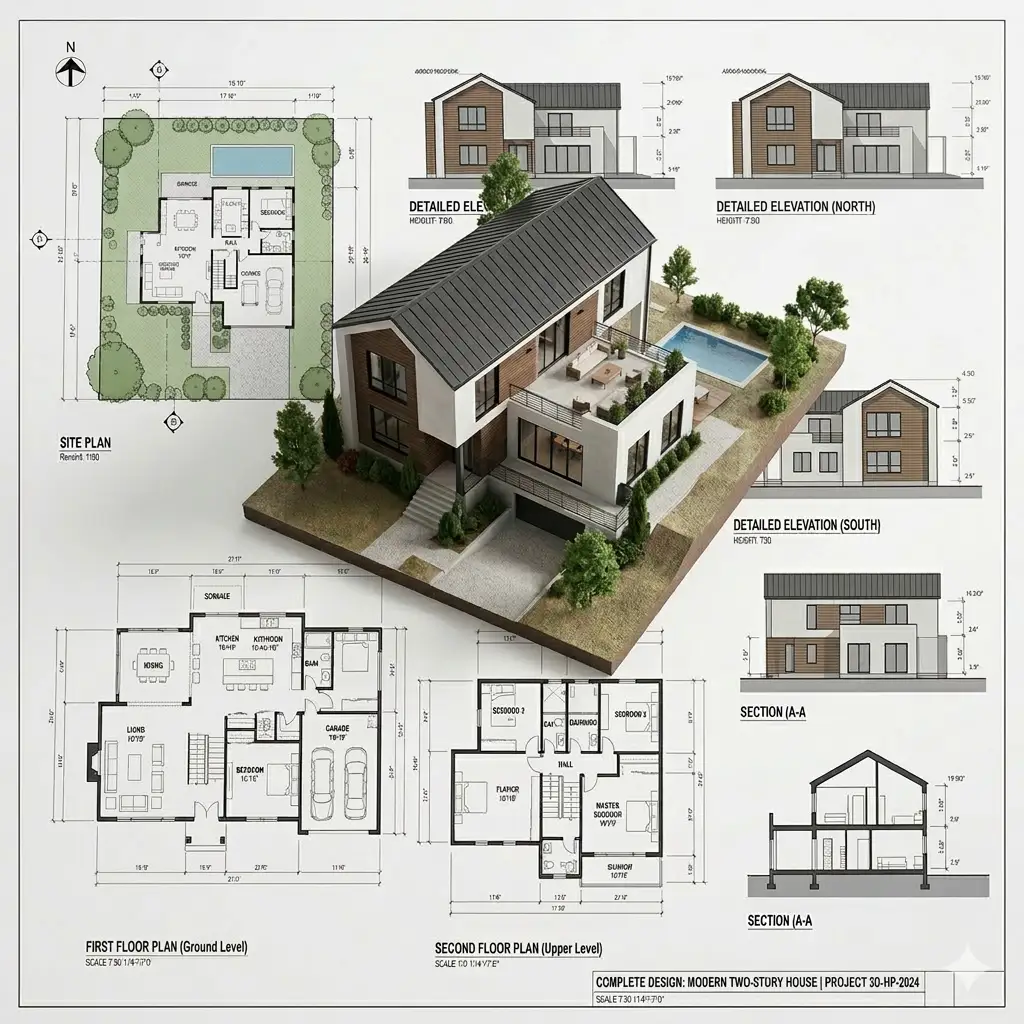
Traditional blueprints are two-dimensional technical drawings that show floor plans, elevations, and sections. While these documents remain essential for construction, they require specialized knowledge to interpret correctly.
Key characteristics of traditional blueprints include:
- Floor plans showing top-down views of each level
- Elevation drawings displaying exterior walls
- Section cuts revealing interior wall construction
- Technical symbols and architectural notation
- Detailed measurements and specifications
Also, Read: 3D Floor Plans for Houses | 3D House Floor Plans
Key Differences That Matter
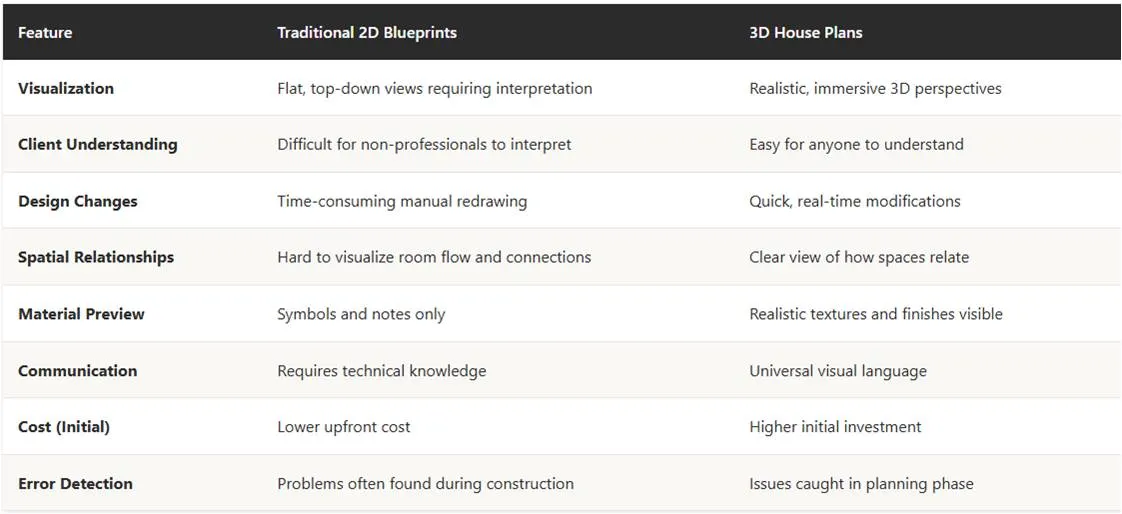
The gap between 3D and traditional plans goes beyond visual appeal. Here’s how they compare:
Visualization Clarity: Traditional blueprints show rooms as flat outlines with symbols. 3D house plans display rooms as they’ll actually appear, with realistic perspectives that help you understand spatial flow.
Client Understanding: Most homeowners struggle to visualize spaces from 2D drawings. Three D house plans eliminate this confusion by showing exactly what you’re getting.
Design Flexibility: Making changes to 3D models is faster and more intuitive than redrawing traditional blueprints. You can experiment with different layouts, materials, and finishes in real-time.
Communication Efficiency: When discussing plans with builders, designers, or family members, 3D visualizations ensure everyone sees the same vision. This reduces misunderstandings and costly construction errors.
Cost Implications: While 3D plans typically cost more upfront, they often save money by catching design problems before construction begins.
You need every available service that will help you make the right decision, and Floor Plan for Real Estate is one of them. Whether you plan to buy or building a home, you will find our Floor Plans extremely useful.
Which Do You Actually Need?
Most modern home projects use both formats. Virtual house plans serve as powerful design and communication tools, while traditional blueprints provide the technical specifications builders need for construction.
Your architect or designer will typically deliver:
- 3D renderings for design approval and visualization
- 2D construction documents for permitting and building
- Both formats integrated into a complete design package
3D Apartment Floor Plans
3D apartment floor plans provide a realistic and detailed view of apartment layouts, helping buyers, renters, and developers visualize spaces before construction or renovation begins. Unlike traditional blueprints, these plans present furniture placement, room proportions, and interior flow in a lifelike format. This makes it easier for potential residents to understand the overall layout and make informed decisions about the property.
Also, Read: 3D Exterior Home Design Made Easy
Benefits of 3D House Plans for New Construction
Making Better Design Decisions
When you can see your future home in three dimensions, you make smarter choices. 3D house plan design reveals potential problems that flat drawings hide.
Consider these advantages:
Spatial Understanding: Walk through your home virtually before laying the foundation. You’ll immediately notice if that hallway feels too narrow or if the kitchen lacks adequate counter space.
Proportion and Scale: Furniture placement in 3D models helps you understand if rooms accommodate your lifestyle. That king-sized bed might not fit as comfortably as you thought.
Natural Light Analysis: Advanced 3D models show how sunlight enters rooms throughout the day. You can adjust window sizes and placements to maximize natural lighting.
Traffic Flow Evaluation: See how people will move through your home. Identify awkward transitions, bottlenecks, or wasted space before construction begins.
Reducing Costly Construction Changes
Changes during construction are expensive. Every modification requires labor, materials, and time. 3D house floor plans help you finalize designs before breaking ground.
Studies show that design changes caught in the planning phase cost 10-20% of what they’d cost during construction. For a $300,000 home, catching just one major issue early could save $15,000 or more.
Common issues caught by 3D planning include:
- Doors that swing into each other or block furniture
- Insufficient storage space in key areas
- Poor sight lines from living spaces to outdoor areas
- Awkward ceiling heights or transitions between levels
- Kitchen work triangles that don’t function efficiently
See a home in 3D before making a purchase: Once done with designing, next is to furnish your new home, take a walk around it and place furniture right where you would want them to be. Sometimes, making the best decision especially when buying a home can be tough work. But it doesn’t have to be when you have got our assistance.
Improving Communication with Your Builder
Miscommunication causes delays, frustration, and budget overruns. House plans 3D eliminate the guessing game between homeowners and construction teams.
Your builder benefits from 3D plans because they:
- Understand your expectations with perfect clarity
- Can estimate materials more accurately
- Identify potential construction challenges early
- Present alternative solutions visually when problems arise
- Share progress updates that you can compare to original plans
Securing Financing and Permits More Easily
Lenders and building departments appreciate comprehensive planning. 3D house layouts demonstrate that you’ve thoroughly considered your project.
When presenting to lenders, 3D models:
- Show the finished value of your investment
- Demonstrate professional planning and attention to detail
- Help appraisers understand your home’s features and value
- Provide confidence that construction will proceed smoothly
Building departments benefit from 3D submissions by:
- Quickly understanding your design intent
- Identifying code compliance issues faster
- Providing more specific feedback on required changes
- Processing permits with fewer revision cycles
Increasing Resale Value Through Better Design
Well-designed homes sell faster and for more money. 3D planning helps you create layouts that appeal to future buyers, even if you’re building your forever home.
Features that 3D planning helps optimize:
- Open-concept living areas with logical flow
- Master suites positioned for maximum privacy
- Kitchen layouts that accommodate multiple cooks
- Abundant natural light in primary living spaces
- Outdoor connections from main entertaining areas
Personal Satisfaction and Confidence
Building a home represents one of life’s biggest investments. 3D house plans provide peace of mind that you’re building exactly what you want.
You’ll experience:
- Reduced stress from uncertainty about the final result
- Excitement as you see your vision become tangible
- Confidence in your design decisions
- Pride in the planning process
- Better sleep knowing you’ve caught potential problems early
Populate your portfolio with quality floor plans: Without floor plans, the real estate industry would grind to a halt. It lets potential buyers and renters have a crystal clear picture of the layout of a property. “Floor Plan for Real Estate” makes it possible to consistently deliver quality floor plans in record time.
3D Student Housing Plans
3D plans for student housing are designed to clearly present shared living spaces, study areas, and functional layouts that suit student lifestyles. These visual plans help universities, developers, and investors showcase how rooms, common areas, and amenities are organized within the property. With a realistic perspective, viewers can quickly understand how the space supports both comfortable living and academic needs.
Also, Read: Single-Family Home 3D Exterior Renderings
Customizing 3D House Plans for Your Needs
Starting with Stock Plans vs. Custom Design
You have two main paths when creating 3D home plans: purchasing pre-designed stock plans and customizing them, or starting from scratch with a completely custom design.
Stock Plans with Modifications: Thousands of pre-designed 3D house floor plans are available online. These range from small cottages to large estates across every architectural style. Benefits include lower costs (typically $500-$2,000), faster delivery, and proven designs. You can modify room sizes, adjust layouts, update finishes, and change exterior materials.
Fully Custom Plans: Custom design means your 3D house layout reflects your unique requirements without compromise. Costs run higher ($3,000-$15,000+), and timelines extend longer, but you get exactly what you want. Choose this route when your lot has unusual characteristics, your needs don’t match standard designs, or you want something truly unique.
Assessing Your Lifestyle Needs
Effective customization begins with honest evaluation of how you actually live. 3D house plan design should accommodate your daily routines, not force you to adapt to the house.
Ask yourself these questions:
Daily Patterns: Do you entertain frequently or prefer quiet evenings? Do you work from home or commute? Are you early risers or night owls? Your answers shape room placement and spatial relationships.
Family Dynamics: How many people will live in the home? What are their ages and needs? Will elderly relatives visit or live with you? Do you have or plan to have children? Are pets part of your household?
Hobbies and Activities: Do you need a home gym, art studio, or workshop? Will you pursue gardening, cooking, or other hobbies that require dedicated space? Do your interests require specialized storage?
Future Planning: Will your family grow or shrink? Might you need accessibility features later? Could rooms serve multiple purposes as needs change?
Adapting Room Layouts to Your Specifications
The power of virtual house plans lies in experimentation. You can test multiple configurations before committing.
Kitchen Customization: Kitchens are the heart of most homes. Adjust your 3D kitchen design for your cooking style. Serious cooks need professional-grade appliances, extensive counter space, and multiple prep zones. If you rarely cook, you might prefer a smaller, more efficient kitchen that opens to entertainment areas.
Popular modifications include:
- Island size and placement for seating and storage
- Pantry configuration (walk-in vs. cabinet style)
- Appliance placement based on cooking workflow
- Counter heights for different users
- Breakfast nook vs. formal dining integration
Bedroom Configurations: Master bedrooms in 3D models can be customized for privacy, convenience, and luxury. Consider relocating closets for better wall space, adding sitting areas if you have room, incorporating en-suite bathrooms with specific layouts, and creating separate zones for sleeping and dressing.
Secondary bedrooms should reflect their intended use. Guest rooms might include small workspaces, children’s rooms need play area considerations, and rooms might convert between office and bedroom functions.
Living Space Adjustments: Open-concept living requires careful planning in three D house plans. You’ll want to define distinct zones without walls, maintain sight lines to supervise children, balance acoustics to prevent noise transfer, and create conversation areas within larger spaces.
With Floor Plan for Real Estate offerings, you can order floor plan rendering requirements by providing a blue prints/ pictures / sketches / videos / CAD files, etc.
Modifying for Lot-Specific Challenges (3D House Plans Complete Design Guide)
Your building site dramatically influences your final 3D house layout. Smart customization addresses lot constraints and maximizes advantages.
Slope and Grade: Homes on sloped lots benefit from strategic customization. You might expose lower levels on the downhill side, orient garages to minimize excavation, create walkout basements with natural light, or stagger floor levels to follow natural contours.
Orientation and Views: Rotate and adjust your house plans 3D to capture the best views and light. Position main living areas toward desirable vistas, limit windows facing unpleasant views or neighboring structures, maximize southern exposure in cold climates, and minimize western sun in hot climates.
Lot Size and Setbacks: Narrow lots require different solutions than wide parcels. Customize by adjusting home width and depth proportions, relocating garages (front-load vs. side-load vs. detached), reducing side setbacks where codes allow, and optimizing outdoor space within constraints.
Material and Finish Selections in 3D
Modern 3D house plan design lets you visualize different materials before purchasing. This prevents expensive regrets.
Exterior Materials: View your home with various siding options including brick, stone, stucco, wood, fiber cement, and combinations. See how roofing materials change the appearance, from asphalt shingles to metal to tile.
Interior Finishes: Test flooring materials room by room. Compare hardwood, tile, carpet, luxury vinyl, and concrete in actual spaces. Visualize different cabinet styles, countertop materials, paint colors, and trim details.
Fixture and Hardware Styles: High-quality 3D models include lighting fixtures, plumbing fixtures, door hardware, and window styles. Seeing these elements in context helps maintain design consistency.
Technology Integration Planning
Smart homes require planning. Customize your 3D house floor plans to accommodate modern technology.
Consider adding:
- Dedicated network equipment closets for routers and servers
- Strategic outlet placement for charging stations
- Pre-wiring locations for security cameras and smart doorbells
- Media walls designed around TV and speaker placement
- Control panel locations for smart home systems
- Ceiling features for integrated speakers and lighting
Energy Efficiency Customizations
3D models help you visualize energy-efficient features that reduce operating costs.
Passive Solar Design: Adjust window placement and overhang depths in your 3D layout to control solar heat gain. Proper orientation can reduce heating and cooling costs by 20-30%.
Insulation and Envelope Planning: While not always visible in 3D renderings, plan for advanced wall systems, optimal window specifications, air sealing details, and efficient HVAC placement.
3D Senior Living Plans
3D senior living plans focus on comfort, accessibility, and thoughtful space planning for older residents. By visualizing layouts in three dimensions, these plans highlight features such as wider walkways, easy navigation between rooms, and practical living arrangements. This helps families, developers, and decision-makers better understand how the environment supports safety and independent living.
Incorporating Outdoor Spaces and Landscaping
Connecting Indoor and Outdoor Living
The best 3D house plans treat outdoor areas as extensions of interior spaces. These transitions create homes that feel larger and more connected to nature.
Patio and Deck Placement: Your 3D house layout should show exactly where outdoor living spaces connect to interior rooms. Position covered patios adjacent to kitchens for easy dining access, connect decks to primary living areas for entertaining, create private outdoor areas accessible from master suites, and design multi-level decks that follow terrain.
Door and Window Transitions: The type and placement of doors and windows dramatically affects indoor-outdoor flow. Large sliding glass doors create seamless transitions and can span 12-20 feet in modern designs. French doors offer traditional elegance with smaller opening widths. Folding glass walls completely open corners of rooms to outdoor spaces. Strategic window placement frames outdoor views from key interior positions.
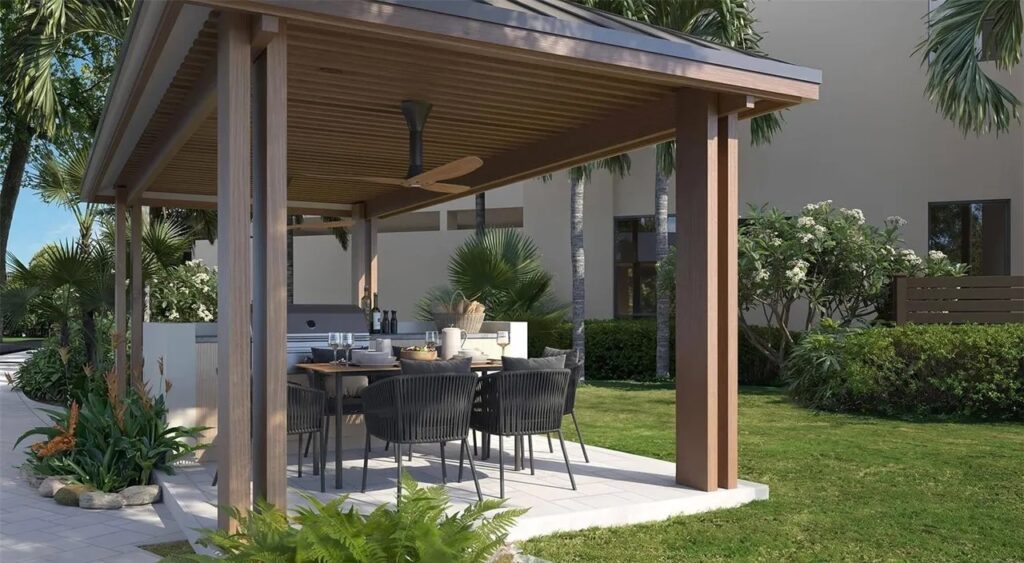
Covered Outdoor Rooms: Three D house plans can integrate true outdoor living rooms. Options include screened porches that protect from insects while providing fresh air, covered lanais in warm climates for year-round outdoor living, pergolas that provide filtered shade over dining areas, and roof extensions that create weather-protected spaces.
While placing your order with The 2D3D Floor Plan Company, you can easily specify the dimensions of property both on the inside and outside, show furnishing and even interior installations (if you already have 2d floor plans or CAD files, it helps us to draw more easily and accurately).
Designing Functional Outdoor Spaces in 3D
Virtual house plans should include outdoor areas with the same detail as interior spaces. This ensures proper proportion and functionality.
Entertainment Areas: Outdoor entertaining requires thoughtful planning. Your 3D model should show outdoor kitchens with grills, refrigerators, and prep space. Include fire pits or fireplaces with adequate seating areas, dining zones sized for your typical guest count, and bar areas or serving stations for gatherings.
Consider traffic patterns for outdoor events. Position serving areas near kitchen access, create multiple seating zones for different group sizes, provide adequate lighting for evening entertainment, and ensure smooth transitions between outdoor areas.
Pools and Water Features: If you’re planning a pool, integrate it into your 3D house floor plans from the beginning. This allows you to optimize sight lines from interior spaces, plan deck and patio areas around the pool, position equipment rooms and storage, ensure proper setbacks from property lines, and design landscaping that enhances privacy.
Water features beyond pools add ambiance. Fountains near entryways create welcoming sounds. Ponds or streams can be incorporated into naturalistic landscapes. Spa tubs need privacy screening and access to changing areas.
Landscaping Integration in 3D Models
Comprehensive 3D house plan design includes landscaping elements that complete your vision.
Hardscaping Elements: These permanent landscape features should appear in your 3D layout. Include walkways and paths connecting different areas, driveways designed for your vehicles and parking needs, retaining walls managing grade changes, and outdoor steps navigating slope transitions.
Material choices for hardscaping affect both appearance and maintenance. Visualize options like natural stone pavers, concrete (stamped, exposed aggregate, or brushed), brick in various patterns, gravel for informal paths, and composite decking materials.
Planting Areas and Garden Zones: While individual plants may not appear in 3D house plans, planting beds and garden areas should be defined. Mark foundation plantings along the home’s perimeter, privacy hedges screening neighboring properties, specimen tree locations and their mature sizes, vegetable or flower garden areas, and buffer plantings near property lines.
Consider maintenance access when placing beds. Ensure sufficient space between plantings and structures, plan irrigation access and hose bib locations, create paths through larger planting areas, and leave room for maintenance equipment.
Privacy and Screening Strategies (3D House Plans Complete Design Guide)
Outdoor privacy often determines how much you’ll actually use your spaces. Address this in your 3D house layout.
Natural Privacy Elements: Strategic landscape planning creates privacy without feeling closed in. Position evergreen trees and shrubs for year-round screening, use deciduous trees for shade while maintaining winter views, install living walls or vertical gardens on fences, and create layered plantings at varying heights.
Structural Privacy Solutions: Sometimes plants alone aren’t sufficient. Your 3D design might include privacy fences or walls with attractive materials, decorative screens creating modern aesthetics, pergolas with climbing vines for overhead privacy, or strategic building orientation minimizing direct views from neighbors.
If you so wish, you can request us to add disclaimer text to your design. Delivered designs/renderings can be used on the web or printed for marketing purposes.
Terrain and Grading Visualization
3D modeling excels at showing how your home sits on sloped or irregular lots.
Cut and Fill Analysis: Understanding earthwork in your 3D house plan prevents surprises during construction. See where soil must be removed (cut areas), where soil must be added (fill areas), retaining wall locations and heights, and final grade slopes around the foundation.
Drainage Planning: Proper drainage protects your foundation and prevents yard flooding. Your 3D model should indicate surface water flow paths, downspout discharge locations, potential swale or French drain placement, and low areas requiring special attention.
Outdoor Lighting Design
Landscape lighting extends home usability after dark and enhances security. Include this in your virtual house plans.
Functional Lighting: Essential outdoor lighting includes path lights along walkways for safety, step lights on stairs and elevation changes, entry lighting at doors and porches, and security lights at access points.
Accent and Ambient Lighting: Beyond safety, lighting creates atmosphere. Uplighting highlights architectural features and trees, string lights define entertainment areas with warmth, water feature lighting creates focal points at night, and deck and patio lighting enables comfortable evening use.
Seasonal Considerations (3D House Plans Complete Design Guide)
Your outdoor spaces should function year-round. Consider how seasons affect your 3D house layout.
Sun and Shade Patterns: Advanced 3D software shows sun angles throughout the year. This helps you plan strategic shade for summer comfort, maximize winter sun in cold climates, protect outdoor dining from afternoon sun, and position solar panels for optimal exposure.
Weather Protection: Depending on your climate, plan for covered areas protecting from rain or snow, windbreaks shielding exposed outdoor rooms, sun shades or awnings for southern exposures, and storage for outdoor furniture during off-seasons.
Also, Read: Best 3D Floor Plan Software and Tools in 2026
Multi-Story House Plans in 3D
Advantages of 3D Visualization for Multiple Levels
Multi-story homes present unique design challenges that three D house plans solve brilliantly. Vertical relationships that remain invisible in traditional 2D plans become crystal clear in 3D.
Staircase Design and Placement: Stairs consume significant square footage and influence traffic flow throughout your home. 3D house plan design lets you see how different staircase styles affect your spaces.
Compare straight-run stairs that work in narrow spaces and require longer footprints, L-shaped stairs that fit corners efficiently and provide landing breaks, U-shaped stairs that reverse direction in a compact footprint, spiral stairs that maximize space savings but challenge accessibility, and floating or open-riser stairs that create architectural drama.
Beyond style, 3D models show how staircase placement affects room layouts, landing sizes and their usability, sight lines between floors, and opportunities for design features like reading nooks under stairs.
Ceiling Heights and Vertical Space: One of the greatest advantages of 3D house floor plans for multi-story homes is seeing ceiling heights in context. You can visualize two-story great rooms and their impact on adjacent spaces, cathedral ceilings and their dramatic effect, standard vs. tall ceilings in specific rooms, and ceiling height transitions between areas.
Vertical volume affects cost, energy efficiency, and aesthetics. 3D models help you invest ceiling height where it matters most while keeping other areas standard height to control costs.
Floor-to-Floor Relationships: Understanding what happens above and below each room matters tremendously. Your 3D house layout reveals whether bedrooms sit above quiet living spaces or noisy kitchens, bathrooms align vertically for plumbing efficiency, load-bearing walls stack efficiently through floors, and HVAC systems route logically between levels.
Our company is recommended by thousands of appraisers all over the world who have at some point made use of the program. Contact us today, take your real estate business to the next level.
Optimizing Two-Story House Plans
Two-story homes offer the most square footage on smaller lots. 3D planning maximizes their potential.
First Floor Living Zones: The ground floor typically contains public and active spaces. Effective 3D house plan design places the kitchen and dining areas for easy access from the entry, living rooms with connections to outdoor spaces, powder rooms convenient to entertainment areas, and mudrooms or laundry rooms near garage entries.
Flow matters on the main level. Your 3D model should show how guests move from entry to living areas, family members transition between kitchen and family rooms, the staircase integrates without blocking primary spaces, and service areas remain accessible but discreet.
Second Floor Private Zones: Upper levels usually house bedrooms and private spaces. Consider how your house plans 3D arrange the master suite positioned for maximum privacy, secondary bedrooms grouped or separated based on ages, bathrooms serving specific bedroom zones, and bonus rooms or studies separated from sleeping areas.
Balconies and Overlooks: Two-story homes can incorporate vertical drama. 3D visualization shows balconies overlooking entry foyers or great rooms, bridges connecting bedroom wings across open space, loft areas above living spaces, and cathedral ceilings creating soaring volumes.
Three-Story and Split-Level Designs
More complex vertical arrangements benefit even more from 3D house floor plans.
Split-Level Homes: These designs stagger living areas across multiple half-floors. Split-levels work beautifully on sloped lots and create distinct zones without full floor separations. Your 3D model should illustrate how entry levels position between floors, living areas step down or up from entries, bedroom levels elevate for privacy, and garage levels integrate into the design.
Split-level advantages include efficient use of sloped lots, natural separation between zones without corridors, potential for walkout basements, and interesting architectural appeal. Challenges include multiple short staircases throughout, less accessibility for mobility-impaired users, and more complex HVAC zoning requirements.
Three-Story Homes: Vertical homes maximize urban or small lots. Three-story 3D house layouts typically organize garages and utility spaces on ground floors, main living areas on second floors, and bedrooms on top floors for views and privacy.
Design considerations include elevator placement for future aging-in-place, stairwell lighting from top to bottom, roof deck or balcony opportunities, and structural systems supporting vertical loads.
Sound Transmission Between Floors
Multi-story homes require sound control. Your 3D house plan design should account for noise transmission.
Strategic Room Stacking: Position rooms to minimize noise conflicts. Avoid placing bedrooms directly above entertainment areas, home theaters over quiet spaces, children’s playrooms above master suites, or laundry rooms over bedrooms without proper insulation.
Sound Control Methods: While not always visible in 3D models, plan for sound insulation batting in floor-ceiling assemblies, resilient channels that decouple drywall from framing, engineered floor systems designed for sound reduction, and solid-core doors in areas requiring privacy.
Mechanical Systems in Multi-Story Designs
Heating, cooling, and plumbing systems become more complex with multiple floors.
HVAC Zoning: Multi-story homes benefit from separate HVAC zones controlling different levels independently. Your virtual house plans should indicate upper and lower zone thermostats, ductwork routing between floors, equipment locations in basements or attics, and return air pathways through the home.
Plumbing Efficiency: Stacking bathrooms and wet areas saves money. Look for opportunities to align bathrooms vertically, position laundry rooms near main plumbing stacks, locate water heaters centrally to minimize pipe runs, and plan for access panels at key plumbing locations.
Boost your EPC reports by using flawlessly designed 3D floor plans and 3D architectural renderings: Your clients will take you more seriously if you can provide them with floor plans of high graphics quality. An accurate 3D representation of property makes it easy for a prospective client to visualize the layout of the property.
Natural Light in Multi-Story Homes
Bringing light deep into multi-floor homes requires planning visible in 3D models.
Vertical Light Wells: Strategies for lighting interior spaces include skylights over stairwells bathing multiple floors in natural light, clerestory windows high on two-story walls, interior windows allowing light transfer between floors, and glass railings that don’t block light transmission.
Window Placement Strategy: Consider how window arrangements affect each floor differently. Upper-floor windows provide privacy while admitting light, lower-floor windows connect to outdoor spaces and views, and strategic window alignment creates vertical visual continuity on exterior elevations.
Also, Read: The Complete Guide to 3D Floor Plans
3D House Plans for Different Architectural Styles
Modern and Contemporary Styles
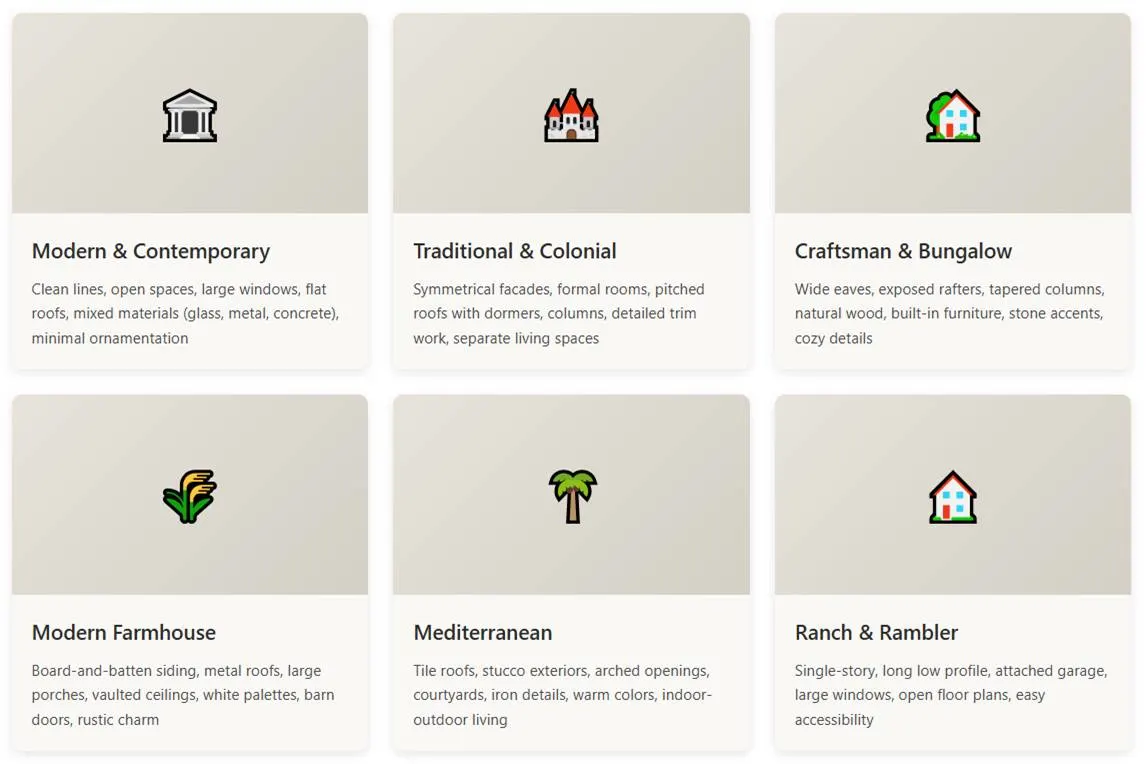
Modern 3D house plan design emphasizes clean lines, open spaces, and integration with surroundings. These homes showcase the power of 3D visualization.
Defining Features: Modern architecture in 3D models displays flat or low-pitched roofs with minimal overhangs, large expanses of glass connecting indoors and outdoors, asymmetrical facades with strong horizontal lines, mixed materials like wood, metal, glass, and concrete, and minimal ornamentation focusing on form and function.
Open-Concept Living: Modern 3D house floor plans excel at showing flowing spaces. Great rooms combine living, dining, and kitchen areas. Movable walls and sliding panels create flexible spaces. Multi-functional rooms serve different purposes throughout the day. Indoor-outdoor spaces blur boundaries between interior and exterior.
Material Visualization: 3D rendering brings modern materials to life. See how concrete floors with radiant heat create thermal mass and modern aesthetics, steel beams and columns enable large open spans, floor-to-ceiling glass maximizes views and natural light, and wood accents warm contemporary spaces.
Traditional and Colonial Designs
Traditional styles benefit from 3D visualization that shows proportions and symmetry.
Classical Elements: Traditional 3D house layouts feature symmetrical facades with centered entries, formal living and dining rooms flanking front halls, pitched roofs with dormers and gables, columns and porticos framing entrances, and detailed trim work and moldings throughout.
Room Arrangement: Traditional floor plans in 3D show dedicated spaces rather than open concepts. Front parlors or living rooms receive guests, separate dining rooms host formal meals, family rooms toward the rear provide casual living, libraries or studies offer quiet retreats, and breakfast nooks create intimate morning spaces.
Exterior Details: Three D house plans reveal how traditional details combine. Shutters flank windows with proper proportions, brick or siding patterns create visual interest, roof pitch and dormer placement balance facades, and porches integrate with overall design language.
Craftsman and Bungalow Styles
Craftsman homes celebrate natural materials and fine details that shine in 3D.
Characteristic Features: Craftsman 3D house plan design showcases low-pitched roofs with wide eaves and exposed rafters, front porches with tapered columns on stone pedestals, built-in furniture like window seats and bookcases, natural wood throughout including beams and trim, and stone or brick accents on foundations and chimneys.
Interior Spaces: Craftsman interiors balance openness with defined rooms. Living areas flow together but maintain distinct identities. Inglenooks create cozy fireside seating niches. Dining rooms open to kitchens through wide cased openings. Window seats and built-ins maximize functionality.
Material Authenticity: 3D visualization helps ensure authentic Craftsman details. Wood species and grain patterns appear realistic. Stone work shows natural variation and texture. Hardware and light fixtures match the period style. Proportions maintain Craftsman sensibilities.
Farmhouse and Country Styles
Modern farmhouse styles rank among today’s most popular designs. 3D house layouts bring these comfortable homes to life.
Modern Farmhouse Elements: Contemporary farmhouse 3D plans include board-and-batten or shiplap siding, metal roofing with standing seams, large covered porches wrapping one or more sides, white or light-colored palettes with dark accents, and mixed materials combining wood, stone, and metal.
Open and Airy Interiors: Farmhouse 3D house floor plans emphasize casual living. Vaulted ceilings with exposed beams create volume, open kitchens with large islands anchor homes, mudrooms and laundry rooms near entries manage daily life, and pantries provide abundant storage.
Outdoor Living Integration: Country homes extend living outdoors. Wraparound porches offer multiple outdoor rooms, covered patios continue indoor finishes outside, barn doors slide to connect or separate spaces, and landscape design includes gardens and outbuildings.
Mediterranean and Spanish Styles
Mediterranean homes evoke warmth and old-world charm through materials and forms.
Signature Elements: Mediterranean 3D house plans feature low-pitched tile roofs in terra cotta colors, stucco exteriors in warm earth tones, arched windows, doorways, and arcades, courtyards and outdoor rooms as focal points, and iron details on railings and light fixtures.
Indoor-Outdoor Living: These designs prioritize outdoor living in 3D models. Central courtyards provide private outdoor retreats, loggia connect interior and exterior spaces, fountains and water features cool courtyards, and tile work continues from indoors to out.
Regional Adaptations: Mediterranean styles vary by region. Spanish Colonial includes thick walls and small windows for climate control. Italian villas feature symmetrical designs with formal gardens. Moroccan influences add colorful tile and carved details.
Ranch and Rambler Designs
Single-story ranch homes remain popular for accessibility and efficient living.
Ranch Characteristics: Ranch-style virtual house plans show long, low profiles with minimal ornamentation, attached garages integrated into the design, large windows across the facade, open floor plans with casual living spaces, and easy access to outdoor areas.
Advantages in 3D: Single-story designs benefit from seeing how all spaces relate on one level. Traffic flow becomes obvious, wheelchair accessibility appears clear, sight lines extend throughout the home, and furniture placement makes sense in context.
Variations and Updates: Modern ranches evolve beyond mid-century designs. Raised ranches add lower-level living space, L-shaped ranches create private outdoor courts, split-bedroom ranches separate master and secondary bedrooms, and contemporary ranches incorporate modern materials and finishes.
Victorian and Historic Styles
Ornate Victorian designs benefit tremendously from 3D visualization showing complex details.
Victorian Complexity: Victorian 3D house layouts display steep, multi-faceted rooflines, turrets and towers adding vertical interest, wraparound porches with decorative trim, bay windows and varied window shapes, and elaborate exterior detailing and color schemes.
Interior Features: Victorian interiors embrace distinct rooms with specific purposes. Formal parlors entertain guests, pocket doors separate or connect spaces, winding staircases serve as focal points, and period lighting and fixtures enhance authenticity.
Modernizing Historic Styles: Many people love Victorian exteriors but want modern interiors. 3D planning shows how to maintain exterior character while opening interior layouts, update systems while preserving details, add modern kitchens and baths respectfully, and integrate technology without visual intrusion.
A well designed 3D floor plan should show the position of the fireplace, the number of rooms, how the rooms connect with each other, and lots more. Additionally, 3D makes possible for the buyer to make necessary corrections, saving the seller a considerable amount of money. By showing your clients well designed 3D plans, they would see you as a professional.
Also, Read: 3D Floor Plan Design: From Concept to Completion
Working with Architects Using 3D Plans
Finding the Right Design Professional
Creating exceptional 3D house plans requires choosing qualified professionals who understand both design and technology.
Architect vs. Residential Designer: Understanding the difference helps you hire appropriately. Licensed architects complete extensive education, pass rigorous exams, legally stamp construction documents, and design complex or commercial projects. Residential designers may not be licensed architects but often specialize in home design, cost less for straightforward projects, and have deep residential expertise.
For most single-family homes under three stories, either professional can deliver excellent results. Choose based on project complexity, budget considerations, state licensing requirements, and personal rapport.
Evaluating 3D Capabilities: Not all design professionals offer the same 3D house plan design quality. Ask to see their 3D portfolio showing various styles, request sample 3D renderings from past projects, inquire about software they use (SketchUp, Revit, Chief Architect, ArchiCAD), and understand what level of detail their 3D models include.
High-quality 3D house floor plans should show realistic materials and textures, accurate lighting and shadows, furniture for scale reference, and both interior and exterior views.
Checking Credentials and Experience: Verify your professional’s qualifications. Confirm licensing status with your state board, check how many homes they’ve designed, ask for client references you can contact, review online ratings and testimonials, and verify they carry professional liability insurance.
The Design Process with 3D Technology
Understanding the workflow helps you collaborate effectively on your three D house plans.
Initial Consultation and Programming: The process begins with understanding your needs. Your designer will discuss your lifestyle and daily routines, define must-have features and nice-to-have wishes, review your lot characteristics and constraints, establish your budget and timeline, and examine design preferences and style inspirations.
Bring inspiration images, magazine clippings, or Pinterest boards to this meeting. The clearer your vision, the better your designer can translate it into 3D reality.
Schematic Design Phase: Next comes rough layout development. Your designer creates preliminary 3D house layouts exploring different configurations, tests various room arrangements, establishes overall square footage and proportions, and identifies potential challenges early.
You’ll typically see 2-3 different layout concepts in basic 3D form. This allows comparison without excessive detail work on concepts you might reject.
Design Development Phase: Once you select a direction, refinement begins. The chosen concept evolves with specific room dimensions finalized, actual furniture placement tested, material and finish selections integrated, lighting and electrical planning incorporated, and exterior design coordinated with interiors.
This phase produces detailed 3D house plans showing your home realistically. You’ll see virtual walk-throughs demonstrating traffic flow, multiple exterior elevations from different angles, interior renderings of key rooms, and material options applied to your actual design.
Construction Documentation Phase: Final plans prepared for building include technical 2D construction drawings with dimensions and specifications, structural calculations and engineering details, mechanical, electrical, and plumbing plans, and 3D models remain available for contractor reference.
The 3D model and 2D documents should align perfectly. Contractors build from the 2D plans but reference the 3D model when questions arise.
Providing Effective Feedback
Your input shapes the design. Communicate clearly to get the results you want.
Being Specific About Changes: Vague feedback frustrates designers and wastes time. Instead of “I don’t like it,” explain what specifically bothers you. Rather than “Make it bigger,” specify which room needs more space and why. Replace “Something feels off” with “The kitchen feels disconnected from the family room.”
The more precise your feedback, the faster your designer can address concerns.
Understanding Design Trade-offs: Every design choice involves compromise. Bigger rooms reduce the number of rooms possible, more complex rooflines increase costs, higher ceilings use more heating and cooling energy, and additional windows impact furniture placement.
Trust your designer to explain trade-offs. They’ll help you make informed decisions balancing competing priorities.
Revision Expectations: Most design contracts include specific revision rounds. Typical agreements offer 2-3 revision cycles at the schematic phase, 1-2 revision cycles during design development, and limited revisions during construction documentation.
Consolidate feedback rather than sending piecemeal comments. Review the entire 3D house plan comprehensively, discuss changes with other decision-makers first, and prioritize your revision requests from most to least important.
Using 3D Plans for Contractor Bidding
Your completed virtual house plans become powerful tools when seeking construction bids.
Providing Complete Information: Contractors bid more accurately when they fully understand the project. Share both 3D renderings and 2D construction documents, include all material and finish specifications, provide your site plan and survey, and make your budget and timeline clear.
Incomplete information leads to low bids that increase through change orders or high bids padding for unknowns.
Comparing Apples to Apples: The same house plans 3D should go to all bidding contractors. This ensures everyone prices identical scope, reveals which contractors read plans carefully, shows where contractors see potential problems, and allows meaningful comparison between bids.
Request detailed bid breakdowns by category (foundation, framing, mechanical, finishes, etc.). This helps identify where estimates diverge.
Using 3D for Contractor Questions: During bidding, contractors will have questions. Your 3D house floor plans help them understand your expectations visually, clarify material selections when specifications are vague, resolve confusion about spatial relationships, and communicate design intent behind unusual features.
Schedule a walk-through meeting where contractors can ask questions with 3D models displayed. This reduces misunderstandings that lead to change orders.
3D Floor plans for Energy Surveyors: No marketing campaign is ever complete without 2D and 3D representation of a property. Buyers need them to get insights into the layout of a property that has been put up for sale. You are halfway selling your property by showing a buyer the 2D representation, and possibly a virtual walkthrough of your property.
Managing Design Changes During Construction
Even with thorough planning, changes sometimes occur during building.
Visualizing Field Changes: When problems arise or you want modifications during construction, use 3D models to evaluate options. Your designer can quickly show how proposed changes affect appearance and space, compare alternative solutions visually, and help you make confident decisions under time pressure.
Documenting Changes: Maintain accurate records of all changes. Update both 2D and 3D documents, track cost implications of changes, photograph field conditions before changes, and get written change orders for everything.
Updated 3D models become valuable references if disputes arise about what was actually built versus what was originally planned.
Post-Construction Uses for 3D Models
Your 3D house plans retain value after construction finishes.
As-Built Documentation: Update your final 3D model to reflect actual construction. This creates permanent records showing exactly how your home was built, locations of utilities and systems, and original specifications for future reference.
Future Renovation Planning: When you want to remodel years later, your original 3D model provides the perfect starting point. Designers can modify existing models rather than measuring and modeling from scratch, show how additions integrate with existing architecture, and maintain consistent design language throughout your home.
Also, Read: How much does a 3D rendering of a house cost?
Cost of Professional 3D House Plans
Price Ranges and What Influences Cost
Understanding 3D house plan pricing helps you budget appropriately and make informed decisions.
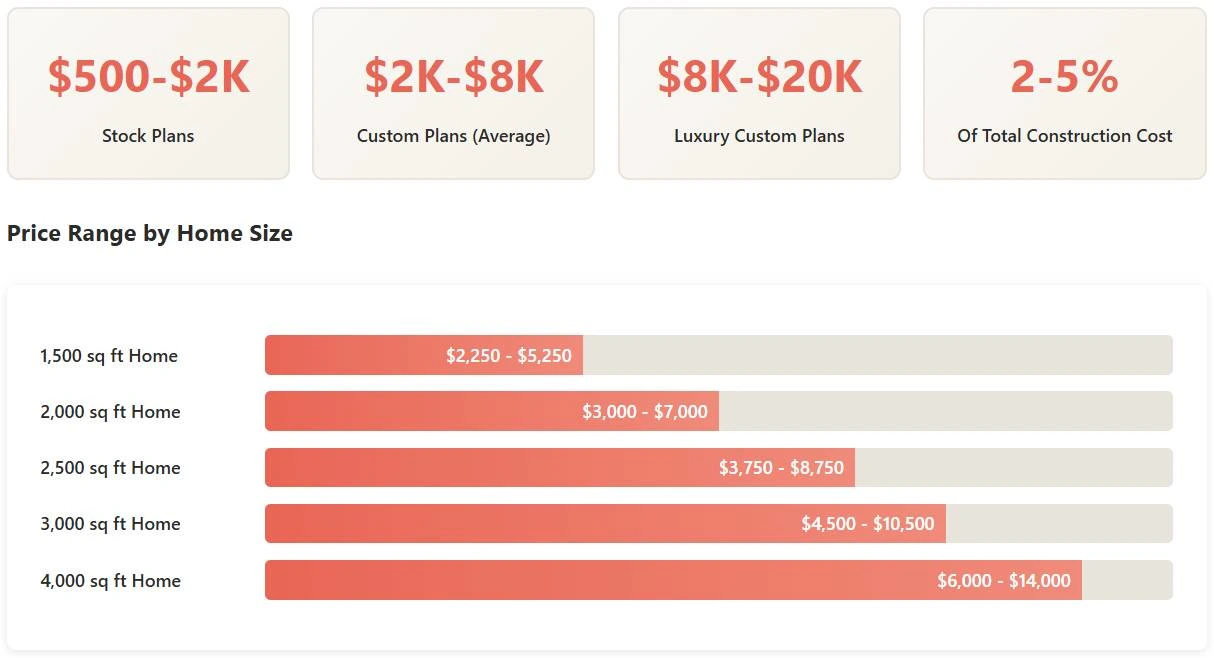
Typical Price Ranges: The cost of 3D house plan design varies significantly based on scope and quality. Stock 3D plans downloaded online range from $500 to $2,000 depending on the plan’s complexity and the level of customization allowed. Minor modifications to stock plans add $500 to $1,500 for simple changes like room dimensions or window placement. Custom 3D house floor plans created from scratch typically cost $2,000 to $8,000 for average-sized homes. Luxury or complex custom designs can run $8,000 to $20,000 or more for large estates or highly detailed renderings.
These prices usually include basic 3D renderings along with full construction documentation. Some firms charge separately for each service.
Square Footage Impact: Size directly affects price. Most designers charge per square foot for custom work. Expect rates of $1.50 to $3.50 per square foot for basic residential design services including both 2D and 3D deliverables. A 2,000-square-foot home might cost $3,000 to $7,000 for complete plans, while a 4,000-square-foot home could run $6,000 to $14,000 or more.
Larger homes require more time for design, drafting, engineering coordination, and 3D modeling. Complexity per square foot also matters—a simple rectangular ranch costs less per square foot than a home with multiple wings, varied ceiling heights, and intricate details.
Complexity and Detail Level: Simple homes cost less than complex designs. Straightforward rectangular footprints with standard features are less expensive than custom irregular shapes with unique angles. Open floor plans cost less to design than many small rooms. Standard ceiling heights are simpler than varied or vaulted ceilings. Simple rooflines (single gable or hip) cost less than complex multi-faceted roofs.
Highly detailed 3D renderings showing photo-realistic materials, lighting, and landscaping cost more than basic 3D mass models showing only general shapes and spaces.
What’s Included in Professional Fees
Understanding deliverables helps you compare quotes and avoid surprise charges.
Standard Deliverables: Most comprehensive design packages for house plans 3D include floor plans for all levels showing room layouts and dimensions, exterior elevations from all four sides, building sections cutting through the home, foundation and framing plans, electrical and plumbing layouts, window and door schedules, material specifications, and several 3D rendered views of exteriors and key interiors.
Additional Services That May Cost Extra: Beyond basic plans, you might need site planning showing property layout and grading, landscape design and planting plans, interior design services for finishes and furnishings, engineering stamps for structural calculations (often required), energy modeling for efficiency analysis, additional 3D renderings beyond the standard package, construction administration during building, or virtual reality walk-throughs for immersive viewing.
Always clarify what’s included in your quote versus what costs extra. This prevents budget surprises.
Stock Plans vs. Custom Plans Economics
Choosing between pre-designed and custom plans involves cost-benefit analysis.
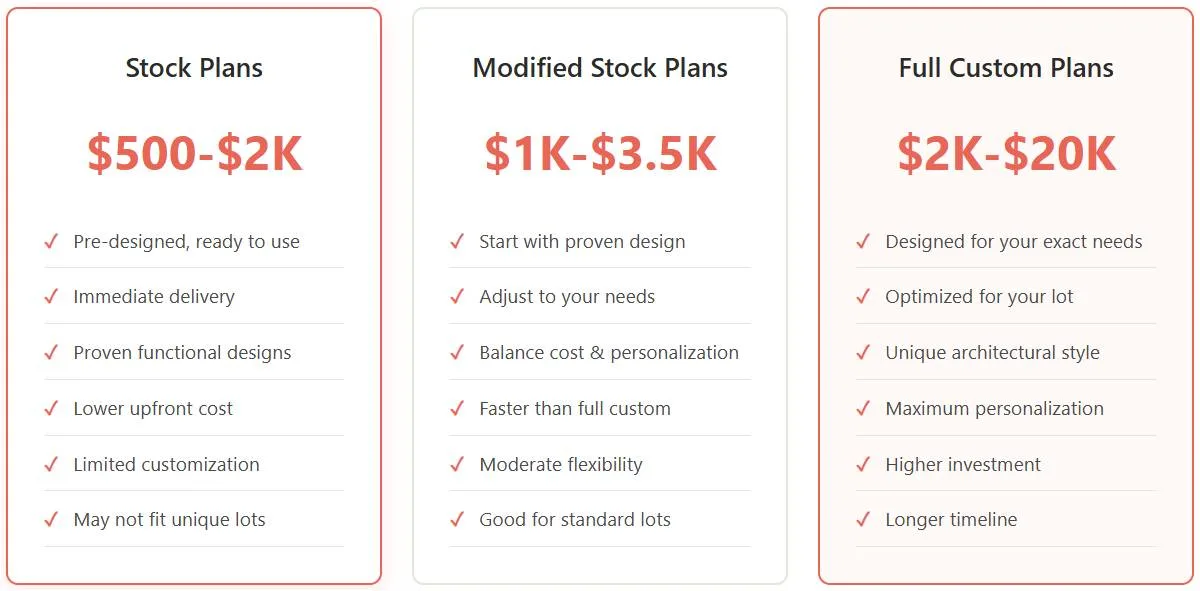
Stock Plan Advantages: Pre-designed three D house plans offer compelling economics. Upfront costs stay significantly lower because designs are already complete, you receive plans immediately rather than waiting weeks or months, the designs have been built successfully by others proving functionality, and you can view finished homes built from the same plans.
Stock plans work best when you find a design you love without major changes, your lot suits standard designs without unique constraints, speed matters more than perfect customization, and budget constraints limit custom design spending.
Custom Plan Value: Despite higher costs, custom 3D house layouts provide unique benefits. Designs match your exact lifestyle and preferences without compromise, plans optimize your specific lot characteristics and orientation, your home reflects your personal style uniquely, and you maximize value on expensive land by building exactly what fits best.
Custom design makes sense when your lot has unusual characteristics requiring custom solutions, you have specific needs stock plans don’t address, you want a truly unique home unlike neighbors, and your budget allows the investment in personalized design.
Hybrid Approach: Many people start with stock plans and customize selectively. This balances cost and personalization. You pay less than full custom design while getting important personal touches, reduce design time compared to starting from scratch, and work from proven plans with only specific modifications needed.
Regional Price Variations
Location affects design costs just like construction costs vary by region.
Geographic Factors: 3D house plan design costs reflect local market conditions. Major metropolitan areas (New York, San Francisco, Los Angeles) command premium rates, mid-sized cities offer moderate pricing, rural areas may have fewer designers but potentially lower rates, and high cost-of-living areas correlate with higher professional fees.
Designers often work remotely now, so you can potentially hire professionals from different regions. However, they must understand your local building codes and climate requirements.
DIY vs. Professional Design Cost Comparison
Some homeowners consider creating their own 3D house plans to save money.
Software Costs for DIY: Consumer 3D design software ranges from free to several hundred dollars. Free options like SketchUp Free or Floorplanner offer basic capabilities. Mid-range software like Chief Architect Premier costs around $2,500-$3,000 with powerful residential design tools. Professional software like Revit or ArchiCAD runs $2,000-$4,000+ annually.
Hidden Costs of DIY: Beyond software, DIY design involves your substantial time investment learning complex software, potential for costly design mistakes not caught by professionals, code compliance issues that delay permitting, and structural or mechanical problems discovered during construction.
Most homeowners lack the expertise to create construction-ready documents even with good software. You might create attractive 3D visualizations but still need professional help with technical documentation.
When DIY Makes Sense: Consider creating preliminary 3D concepts yourself if you’re exploring ideas before hiring professionals, you want to communicate your vision clearly to your designer, you’re planning a simple structure like a shed or garage, or you enjoy the process and have abundant time.
Use professional-grade virtual house plans for your actual home construction. The investment pays for itself by preventing expensive errors.
Financing Design Costs
Design fees represent a small percentage of total construction costs but require upfront payment.
Payment Structures: Design professionals typically structure payments in phases. Expect 25-33% retainer upon contract signing, 25-33% at schematic design completion, 25-33% when design development finishes, and final 10-20% upon construction document delivery.
This protects both parties by ensuring the designer gets paid for work completed while you maintain leverage until receiving final deliverables.
Including Design in Construction Loans: Some construction loans include design costs. Discuss this with your lender when planning your project. Design fees might roll into your construction loan, though you’ll often pay these upfront and get reimbursed at closing, or some construction-to-permanent loans include design allowances.
Design as Investment: Professional 3D house plan design typically represents 2-5% of total construction costs. For a $400,000 construction budget, expect $8,000 to $20,000 for comprehensive design services.
This investment prevents far costlier construction mistakes, optimizes your home’s functionality and value, and provides peace of mind through professional expertise. Well-designed homes also sell faster and for more money when you eventually move.
Getting Accurate Quotes
Obtain clear, comparable quotes from multiple design professionals.
Information to Provide: Help designers give accurate estimates by sharing your approximate square footage and number of stories, lot information including size, slope, and constraints, desired architectural style, special features or complexity factors, your budget range, and timeline expectations.
Questions to Ask: When reviewing quotes, clarify what exactly is included in the price, how many revision rounds the fee covers, what deliverables you’ll receive, what format you’ll receive files in (PDF, DWG, etc.), who owns the design (important for future use), and what additional services cost extra.
Comparing Proposals: Don’t choose based solely on price. Compare what’s included in each proposal, review portfolio quality and relevance, assess communication and responsiveness, check references and past client satisfaction, and evaluate overall value rather than just cost.
The cheapest quote often excludes important services or comes from less experienced designers. The most expensive quote doesn’t guarantee the best results. Find the best combination of capability, service, and value.
Also, Read: 3D House Front Design Made Easy
Conclusion
3D house plans have transformed residential design from an abstract technical process into an engaging, visual experience. Whether you’re building your first home or designing a luxury estate, three D house plans help you make confident decisions, communicate effectively with professionals, and ultimately create a home that perfectly matches your vision.
By understanding the differences between 3D and traditional plans, leveraging the benefits for your new construction project, customizing designs to your unique needs, thoughtfully integrating outdoor spaces, planning multi-story layouts strategically, choosing appropriate architectural styles, working effectively with design professionals, and budgeting realistically for quality design services, you’ll set your project up for success from day one.
The investment in professional 3D house plan design pays dividends throughout the building process and for years after you move in. Your home represents one of life’s largest investments—ensure it’s designed right from the start.
Ready to begin your design journey? Start by exploring stock plans for inspiration, interviewing design professionals in your area, visiting model homes to understand spatial relationships, and defining your must-have features and budget. With thorough planning and quality 3D house plans, your dream home can become a beautiful reality.