
intro-3d-rendering-baseline-expectation-pitch-advantage

How Interior Designers Use 3D Renderings to Win More Clients and Projects

3D interior rendering for interior designers is the process of converting a design concept into a photorealistic, three-dimensional visual before a single piece of furniture is purchased. Interior designers use these renders to close proposals faster, cut revision cycles, and give clients a decision-ready view of a finished space. Firms that adopt 3D interior rendering[…]

blueprint-site-plan

What Should a 2D Site Plan Include? A Complete Guide for Developers

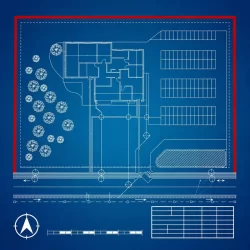
A complete 2D site plan design must include: property boundary lines derived from certified survey data; dimensioned setbacks from all structures to each boundary; the accurate footprint and orientation of all existing and proposed buildings; access points and internal circulation routes; drainage and stormwater management features; utility connections (water, sewer, gas, electrical); landscape elements; a[…]

featured-exterior-rendering-presales-marketing

How Architects and Developers Use 3D Exterior Renderings: 10 Ways

3D exterior rendering uses span the entire project lifecycle: design validation, client approvals, pre-construction marketing, investor presentations, and post-occupancy facility documentation. Architects and developers rely on photorealistic renders to de-risk decisions before a single foundation is poured. This guide breaks down the ten most practical applications driving that adoption today. Every one of these applications[…]

house-rendering-images

What Makes a Rendering Photorealistic? The Technical Factors Behind Quality

Photorealistic rendering explained simply: it is the process of using physically accurate lighting, material, and camera simulation to make a computer-generated image indistinguishable from a photograph. It depends on four pillars: global illumination, physically based materials, optical camera behavior, and high-fidelity geometry, all processed through a ray-traced rendering engine. Every convincing exterior render or interior[…]

faq-office-floor-plan

Modern Office Floor Plans: From Open-Plan to Activity-Based Working Layouts

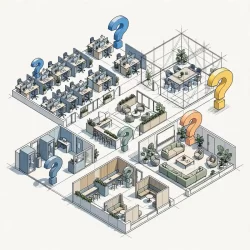
Office floor plan design has evolved from a static space-planning discipline into a strategic organizational instrument: the layout of a workplace directly determines the quality of focused individual work, the spontaneity and depth of team collaboration, the psychological wellbeing of employees, and the financial efficiency of real estate expenditure. As of 2026, global office utilization[…]

supporting-relocation-prospects

How Apartment Communities Use 3D Floor Plans to Fill Units Faster

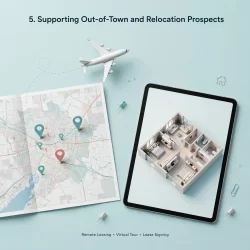
Apartment floor plan marketing – the strategic use of professionally rendered 2D and 3D spatial layouts as primary leasing conversion tools across ILS platforms, community websites, and digital advertising channels – directly compresses vacancy periods by giving prospects the spatial transparency they need to self-qualify and commit without requiring multiple in-person visits. Industry data consistently[…]

house-layout-planning-before-architect

How to Plan Your Home’s Layout Before Talking to an Architect

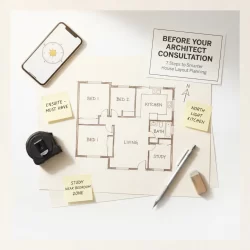
Effective house layout planning before your first architect consultation involves producing a functional programme brief, a spatial adjacency diagram, a site orientation analysis, and a prioritized room schedule – all before a single billable design hour begins. According to the American Institute of Architects, homeowners who arrive at their first consultation with a clearly documented[…]

floor-plan-marketing-real-estate-hero-featured

How Top Real Estate Agents Use Floor Plans to Dominate Their Local Market

Floor plan marketing in real estate is the strategic deployment of scaled, dimensioned 2D and 3D property layout drawings across all listing channels – MLS submissions, property portals, social media, email campaigns, and printed collateral – to accelerate buyer decision velocity, reduce unqualified viewings, and shorten days on market. According to the National Association of[…]

what-is-an-elevation-drawing-definition-diagram

What is an Elevation Drawing? How It Differs From a Floor Plan?

An elevation drawing is a scaled, two-dimensional orthographic projection showing one vertical face of a building or interior wall as viewed straight-on from the exterior or interior, capturing height, fenestration, facade materials, floor-level datums, and architectural detailing without perspective distortion. Unlike a floor plan – which is a horizontal section cut through a structure at[…]

SketchUp-3D-exterior-rendering-views

From Rough Sketch to Professional Floor Plan: The Complete Conversion Process

A professional sketch to floor plan service converts raw, hand-drawn spatial data – including rough wall outlines, approximate room dimensions, and annotated opening locations – into precision-drafted 2D CAD drawings or photorealistic 3D visualizations, following industry-standard drafting conventions such as ANSI/ISO symbology, scaled orthographic projection, and georeferenced layer structures. This conversion workflow moves through four[…]

Content is protected!